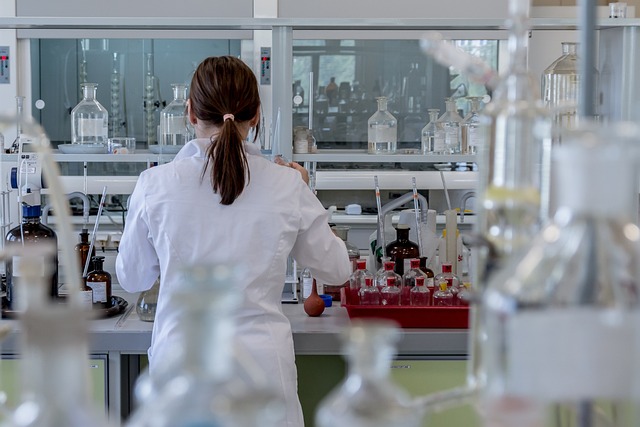
Navigating medical research opportunities in Flint, Traverse City, and Bay City, Michigan, requires aligning career goals with specialized labs. Aspiring scientists should focus on labs matching their field interests, assess curriculum relevance, and consider trainer expertise. Skills requirements vary by sector: pharmaceutical, chemical, or medical device development. Success demands understanding institution missions, attending informational sessions, and tailoring applications to each lab's focus while aiming to "Find Lab Work In Flint-Traverse City-Bay City."
In today’s competitive job market, the demand for skilled professionals across various industries is at an all-time high. One crucial aspect often overlooked is the availability of local training resources, particularly in underserved areas like Flint, Traverse City, and Bay City. Finding quality lab work and comprehensive training programs within these communities can be challenging, hindering individuals’ career progression. This article aims to shed light on a solution: exploring local labs that offer training opportunities, empowering residents with the skills needed to thrive in their chosen fields.
- Discover Local Labs: Find Lab Work In Flint-traverse City-bay City
- Evaluate Training Programs: Choosing the Right Lab for You
- Get Started: Navigating Lab Requirements and Expectations
Discover Local Labs: Find Lab Work In Flint-traverse City-bay City

Navigating the world of medical research and diagnostic services can be a complex task, especially for those seeking opportunities to gain hands-on experience or career prospects in Flint, Traverse City, and Bay City. Fortunately, these cities are home to a diverse range of local labs offering training and employment avenues for aspiring scientists and technicians. Discovering the right lab work in Flint-Traverse City-Bay City can open doors to exciting careers and provide valuable insights into cutting-edge medical research.
Flint, Traverse City, and Bay City are not just regional centers; they serve as hubs for various medical research institutes and diagnostic labs. These institutions play a pivotal role in advancing healthcare technology and practices. For instance, Bay City is home to several reputable diagnostic labs that cater to both local and regional needs, offering employment opportunities ranging from technical roles to management positions. Similarly, Traverse City’s scientific community boasts state-of-the-art facilities where students and professionals can engage in innovative laboratory work.
Finding suitable lab work for students or career transitions in these areas is made easier through dedicated platforms and direct outreach. Local labs often seek talented individuals to contribute to their research projects and diagnostic services. Whether you’re an undergraduate student seeking summer internships or a graduate looking for full-time positions, there are numerous options available. For instance, the University of Michigan’s Flint campus collaborates with local medical research institutes, providing students with opportunities to participate in cutting-edge studies. Additionally, Bay City’s diagnostic labs often partner with area colleges to offer laboratory work for students interested in healthcare fields.
When exploring lab work in Flint-Traverse City-Bay City, consider your interests and career goals. Some institutions specialize in specific areas like clinical diagnostics, environmental research, or pharmaceutical development. For instance, the Michigan State University Research Park in East Lansing offers a network of labs and research facilities accessible to students across the region, including Flint and Traverse City. This collaborative environment fosters innovation and provides a supportive setting for learning and professional growth. Remember, finding the right lab can be transformative, offering not just employment but also a chance to contribute to groundbreaking research and gain invaluable experience.
Evaluate Training Programs: Choosing the Right Lab for You

Choosing the right training program is a crucial step for anyone seeking to enhance their skills or transition into the scientific field in the Flint-Traverse City-Bay City area. With various local labs offering diverse training opportunities, evaluating these programs requires a strategic approach. Consider your specific career goals and align them with the lab’s expertise; for instance, if you aspire to become a clinical trials coordinator in Traverse City, look for labs engaging in clinical research and offering specialized training in this domain.
Assess the breadth of their training curriculum, ensuring it caters to your learning needs and aspirations. Some labs may specialize in specific areas like lab testing services in Bay City, while others could offer more comprehensive programs covering multiple scientific disciplines. Seek out facilities that provide hands-on experience alongside theoretical knowledge, as this blend offers a more robust educational foundation. For instance, Bay City’s vibrant science community includes renowned research institutions that regularly host training programs, ensuring students gain practical lab work experience alongside mentorship from seasoned professionals.
Additionally, review the credentials and experience of the trainers or coordinators. A qualified and experienced mentor can significantly impact your learning journey. Check if the lab encourages student research projects, provides opportunities for professional development, and fosters a culture of ongoing learning. For those keen on science jobs near Bay City, labs that offer networking events, workshops, or industry connections can greatly benefit career prospects. Remember, the right training program should not only equip you with skills but also open doors to future opportunities in this dynamic region.
Get Started: Navigating Lab Requirements and Expectations
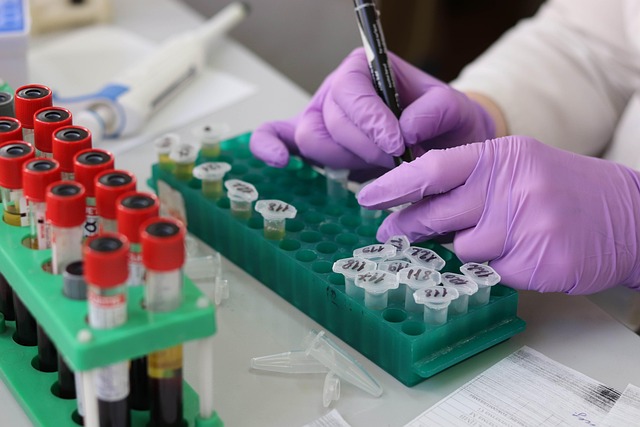
Navigating Lab Requirements and Expectations
For aspiring researchers eager to dive into the world of scientific discovery, finding the right lab environment is a crucial first step. In Flint, Traverse City, and Bay City—hubs for chemical research, pharmaceutical innovation, and medical device development respectively—opportunities abound for those seeking hands-on experience. However, understanding the nuances of each lab’s requirements and expectations is essential to a successful transition from student to lab member.
In Bay City, pharmaceutical research roles often demand a solid foundation in organic chemistry and pharmacology, along with proficiency in advanced analytical techniques. Labs here prioritize candidates who demonstrate strong problem-solving skills and a commitment to rigorous scientific methods. For instance, top institutions like the Bay City Pharmaceutical Research Institute (BCPRI) may require applicants to pass specific skill assessments before gaining access to state-of-the-art facilities.
Similarly, Flint’s chemical research opportunities cater to individuals with a deep understanding of inorganic chemistry, material science, and environmental analysis. Local labs, such as the Flint Chemical Innovation Center (FCIC), value candidates who can contribute fresh perspectives to ongoing projects. In these settings, interdisciplinary collaboration is common, requiring effective communication and adaptability.
Traverse City’s medical device development scene offers a unique blend of engineering and biological sciences. Labs here seek individuals skilled in biocompatibility testing, device prototyping, and regulatory compliance. The Traverse City Medical Device Cluster, for example, provides mentorship programs to help newcomers navigate the complex landscape of medical device R&D.
To get started, prospective lab members should research institutions’ mission statements and current research focus areas. Attending informational sessions or reaching out to current researchers can offer valuable insights into what labs are looking for. Additionally, crafting a compelling CV and cover letter that highlights relevant skills and experiences specific to each lab’s focus is crucial. Remember, finding the right fit between your aspirations and the lab’s goals is key to navigating these expectations successfully.